How to earn money from Instagram in 2020

Depending on your unique brand of Instagram content, your audience, and your level of commitment, you can make money on Instagram in the following ways:

Doing sponsored posts for brands that want to get in front of your audience.

Becoming an affiliate and making a commission selling other brands’ products.

Creating and selling a physical or digital product, or offering a paid service.

Selling licenses for your photography or videos.

The beauty here is that chasing one revenue stream doesn’t necessarily rule out another.

So let’s start with the most common approach to Instagram monetization: partnering with brands as an influencer.

Work with brands on sponsored posts

The term “influencer” gets thrown around a lot these days.

An influencer is basically anyone who’s built themselves an online reputation by doing and sharing awesome things online. To their audiences, influencers are tastemakers, trendsetters and trusted experts whose opinions about certain subjects are respected.

Many brands just can’t compete with that and so they partner with influencers instead for sponsored posts that help get the word out about their products.

But it’s not just the size and reach of your Instagram account that brands want. It’s your audience’s trust and engagement with your content.

It can be hard to balance your revenue as an influencer and your integrity as a creator, but if you’re not relying on your Instagram income to stay afloat, you always have the freedom to be selective about the brands you work with, just as brands will be selective about the Instagrammers they work with.
Brand COLLABARATIOM

How to decide what to charge as an influencer

In a survey of 5,000 influencers, around 42% said they charged $200 to $400 per post—just to give you an idea of what some brands are willing to pay, and how to negotiate based on the cards you’re holding.

Finally, it’s important as an influencer to also know your own audience.

What is the make-up of your audience and what is your engagement rate (total engagement divided by your number of followers)? You can dig up numbers to back this up in your Instagram Analytics report, if you’ve switched to a business account. This will help you be prepared when it comes time to negotiate.

How to find brands to work with


If you’re big enough, chances are brands will find you. But you can also look for brands to work with that are on a similar level in terms of personality and values, so your audience won’t feel like you’re “selling out”.

You can reach out to them directly to try to work out a deal, but you can also list yourself on one of the many influencer marketplaces out there to increase your chances of being discovered:

Fohr Card: Connect your Instagram, blog, YouTube channel, and other social platforms to create an influencer “card” that shows your different profiles and total reach for brands shopping around for a partnership. You also get access to a list of brands and their wants, so you can take the initiative to reach out too.

Grapevine: If you have 5000 or more followers, you can list yourself in the Grape Vine marketplace for the opportunity to work with like-minded brands.

Crowd Tap: Do small content creation tasks to earn rewards. This is great if you’ve got a smaller audience. Available in the U.S only. 

indaHash: Brands put up campaigns that you can participate in. Post a picture with the specified hashtags on Instagram and get paid. You need 700 engaged followers to be eligible.

The rules vary when it comes to sponsored content, but to be on the safe side and respect your audience’s trust, consider adding a #sponsored hashtag to indicate sponsored posts. If you need reassurance, about 69% of influencers in one report said that being transparent about sponsorships didn’t affect how consumers perceive their recommendation.

You can find examples of sponsored posts and how Instagrammers integrate brands into their story or caption by searching up #sponsoredon Instagram, like this one from How He Asked, an account that shares wedding proposal stories and partners with a jewlery business

Instagram also has a “Paid Partnership with” tag that prominently identifies sponsored posts, which some brands might require you to use to disclose your relationship with them.

Become an affiliate

Take care of your bio, you can only focus on one product at a time if you choose to rely on affiliate links, making promo codes a better option for Instagram since you can actually incorporate them into your posts.

Note: Instagram has plans to roll out links for Instagram Stories, which will open up new opportunities for you as an influencer.

Consider reaching out to one of the many online merchants that offer affiliate programs that you can participate in. Or you can also explore popular marketplaces like:

ClickBank: An affiliate platform with a tier-based commission that’s open to everyone.

RewardStyle: An invitation-only fashion and lifestyle influencer network that offers 20% commissions.

Amazon’s Affiliate Program: A popular option that pays out a 10% commission.

Open your own online store

By now it might sound like the only way for an Instagrammer to make money is to sell out and work with other brands.

But creators of all kinds are also in a good position to “sell out” with their own products: physical goods, services, or digital items that can be an extension of their brand, building a business with an audience at its center.

Do it for the ‘Gram (and get paid)

What started as a hobby—making people laugh, doing silly photoshoots with your dog or sharing pictures of food—can snowball into the chance to turn Instagram into a source of income fuelled by your engaged following.

There’s a world of possibilities out there as a creator with a large online audience made up of people who can’t help but stop when they scroll past your post in their feed. It’s this special appeal that you have that opens the door. You just have to walk through it.
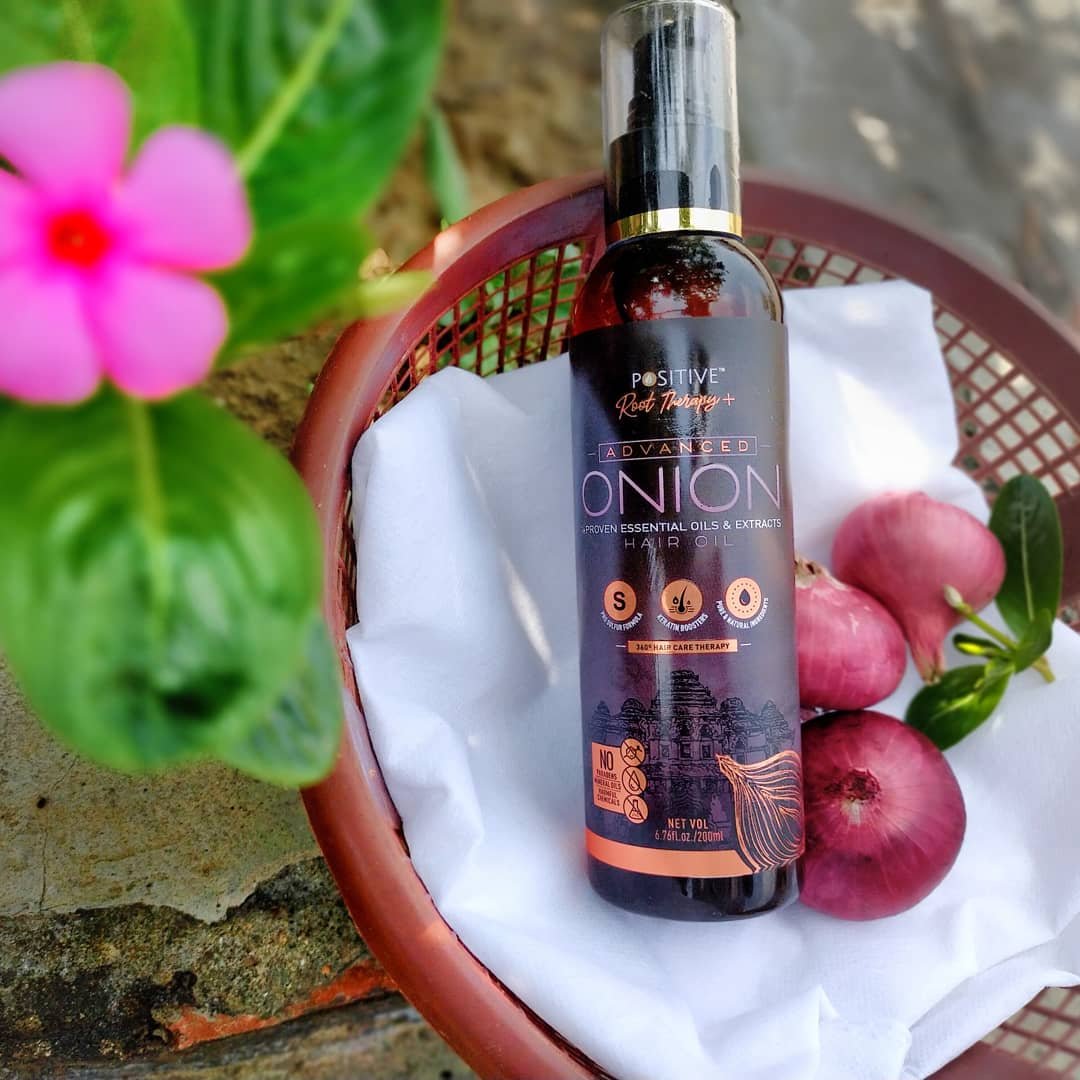
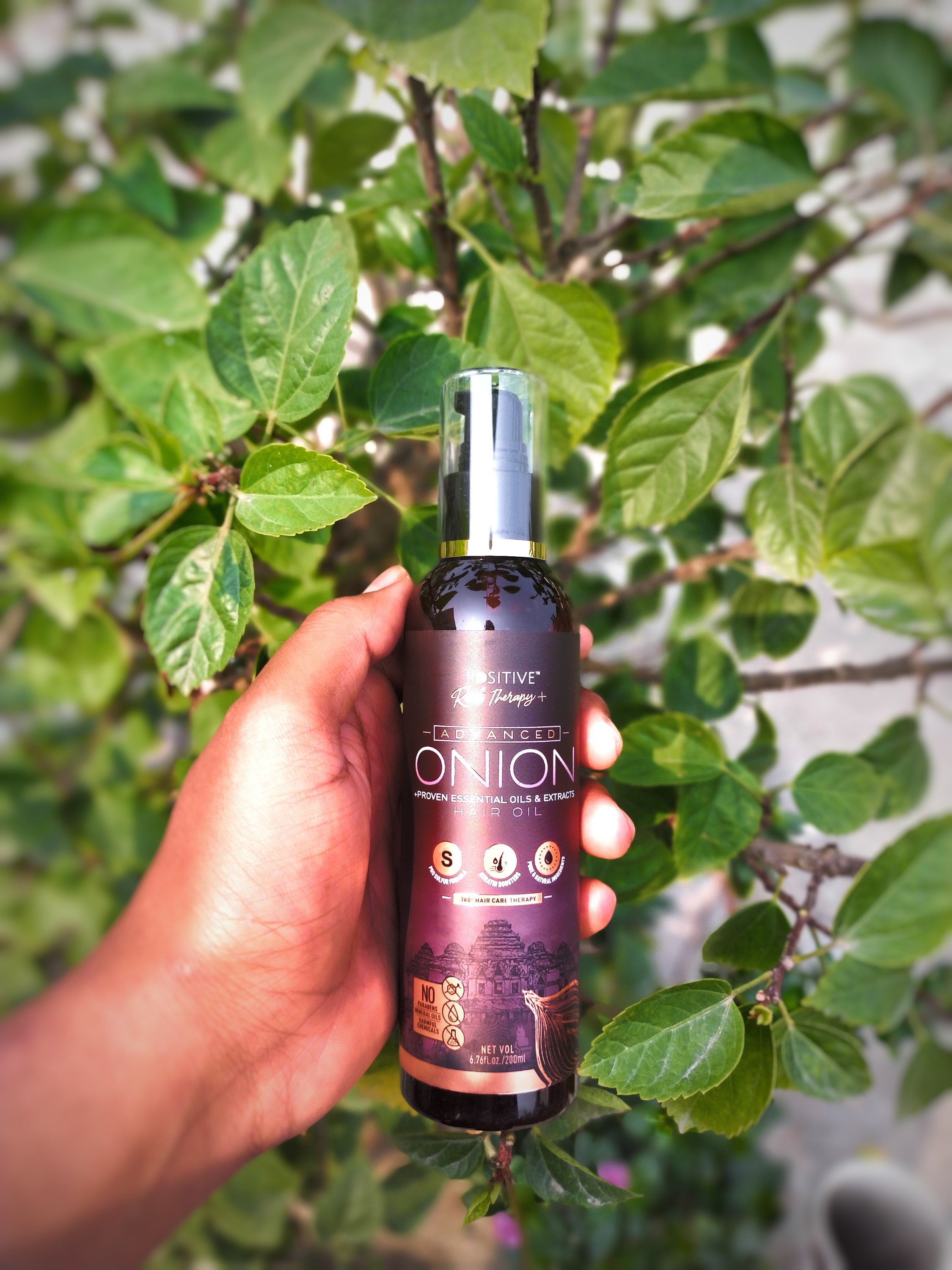
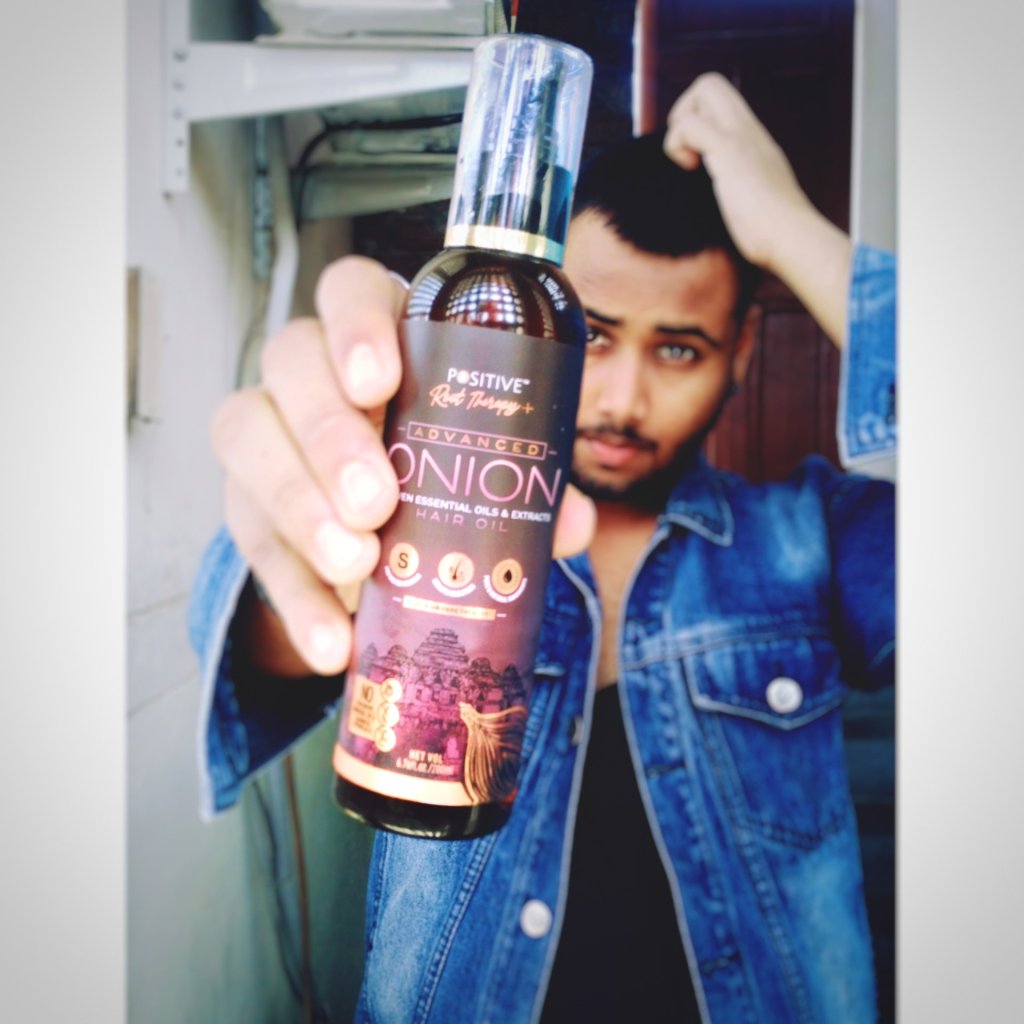
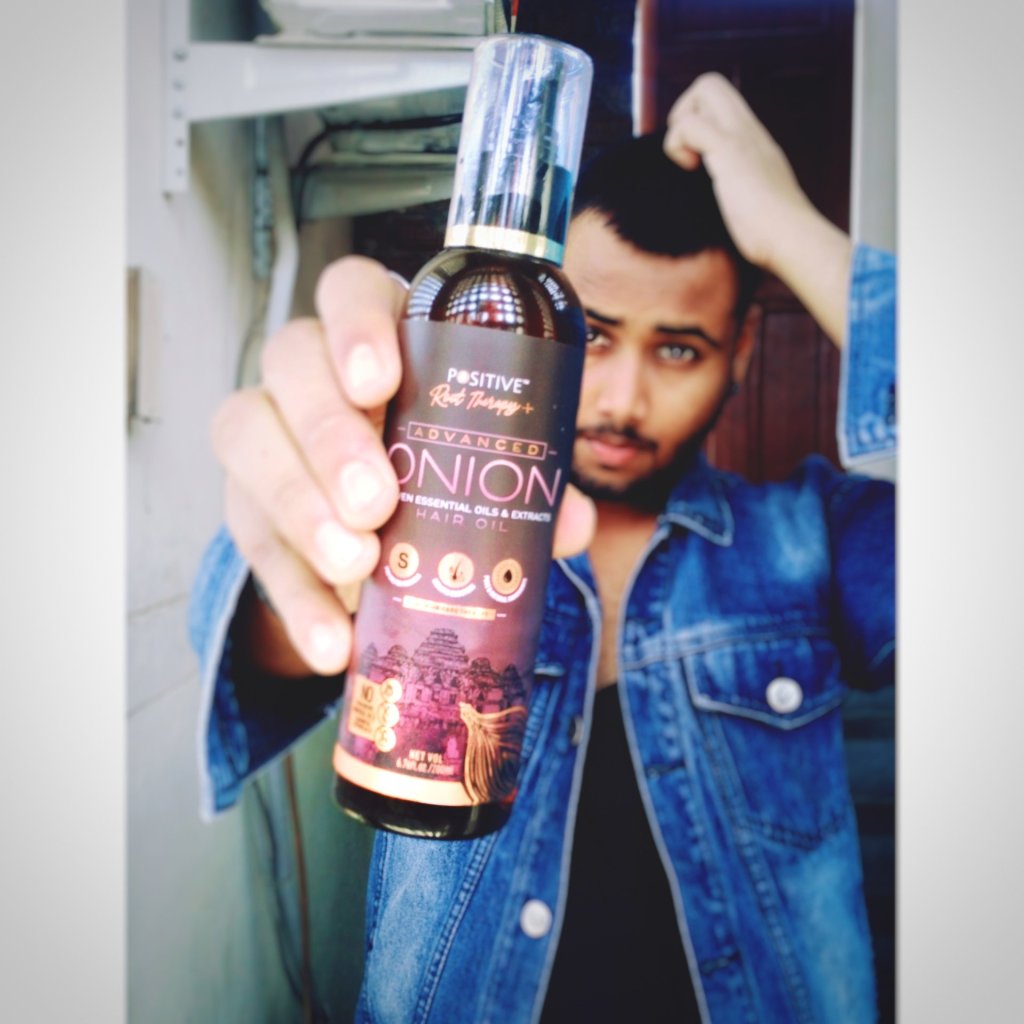
Review of positive advanced onion hair oil

Positive is known for it’s amazing root therapy products that Actually WORK. Living in such polluted cities had made my hair so weak and damaged. I started using it some days ago and I immediately saw results. My hair feels stronger and shiny. Don’t worry about the onion smell, trust me it definitely doesn’t smell like onions rather the scent is really good compared to other oils. The consistency is great so it’s not very sticky, my hair felt very light after use. Bonus points as it considerably removes dandruff. Onion helps clean the scalp and removes dandruff from the root. Totally worth the money. I spent a lot in useless products for hair repair that were dermatological tested but showed absolutely no results. Positive’s onion hair growth oil worked wonders for me. Totally recommended!!

Helps in Improving Hair Quality & Boosting Hair Growth

No Added Preservative, Chemicals or Mineral OilsAttractive, Spill Free, Sturdy Packaging

Dermatologically Tested

Suitable for All Skin & Scalp Types

100% Pure, Natural, Vegetarian & Hexane Free


Onions are rich in Sulfur, protein, phosphorus, iron and carotene than the regular onions, which in turn constitute nutrient rich food for your hair. We clubbed this Onion oil with the extracts of Popular herbs of plants like Neem, Jatamansi, Reetha, Bhui Amla, & various pure, cold-pressed essential oils like California Almond Oil, Morrocan Argan Oil & Spanish Calendula Oil amongst many others procured from different parts of the world. We have named this blend as ‘Hair Complex’, which will enhance your 360* Hair Care experience.

To make your hair’s first impression amongst others pleasant & comforting, we have added a few drops of Organic, Mild floweryfragrance in this Onion Hair Growth Oil. We believe in ‘Power of Nature’ so we have not used any Chemicals, Preservatives, Mineral Oils or Silicones. The herbs included in this oil are grown organically and away from Pesticides.

Unlike other brands, Our Hair Oil is manufactured with best of the facilities in a 100% Automatic Plant. We make sure, there is no human contact with the product until it is packed. Our Manufacturing process is strict, disciplined and is WHO-GMP certified. We are proud to say that our products are 100% Safe to Use.

The samples of each batch are sent to NABL Certified third party labs, before distributing in the market. Thus, the Quality of this Onion Hair Oilcan be 100% trusted. This Hair oil is suitable for all hair and scalp types.

Positive advanced onion hair oil

Nowadays, everyone is complaining about hair problems. Some of the factors that cause hair issues are hectic lifestyle, increased pollution, unhealthy diet, and improper hair care routine. While dandruff, itchiness can be controlled; however, hair fall is a very serious concern for all of us. Whether you want to stop hair fall or wishing for healthy hair growth, Positive Root Therapy Plus Advanced Onion Oil should be your first choice.

Here’s a detailed review of this amazing product:

Benefits of Onion Oil 

As we all know onion oil is good for hair growth. It stimulates hair growth by nourishing hair follicles. Onion oil is rich in vitamins like A, C, E and B-Complex and contains a good amount of sulfur. It can eliminate problems like dandruff, breakage and thinning.

Packaging 

Positive Root Therapy Plus Advanced Onion Oil comes with glossy packaging. It has a spray nozzle so it becomes easy to remove oil from it. You just need to press a lid and take as much oil as you want on your palm. Its spray-like lid ensures that there is no spillage and your oil application becomes mess-free and easy.

The review of Positive Root Therapy Plus Advanced Onion Oil

If you are looking onion oil for hair growth, then Positive Root Therapy Plus Advanced Onion Oil is a good product to try. This natural product contains 18 essential oils and 37 different herbs. Formulated with various botanical ingredients, the oil promises to stimulate healthy hair growth. You may not like its smell as it has a very strong smell. It’s recommended that you can mix this onion oil with your regular hair oil (Coconut or olive oil) to eliminate the strong smell. It has a crystal-clear texture.

Since I have long hair, I will need 4-5 spoons of oil. I mixed the onion oil with my regular coconut oil and applied gently on my scalp and ends. I usually massage my hair for 30-45 minutes so that the oil gets absorbed. Let the oil work overnight and then the next day cleanse your hair with a shampoo of your choice.

Its regular usage can stimulate hair growth. However, just applying oil on your hair, would not get you desired results. You should have a proper hair care routine along with a healthy diet.

Onion hair oil by positive global

I usually follow below hair care regime for my long hair:

Oiling – once a week

Hair wash – Twice a week

Must-have hair products – oil, shampoo, and conditioner

Benefits of Positive Root Therapy Plus Advanced Onion Oil

To get desired results, make sure that you follow proper hair care routine and you should use onion oil for hair growth. Its regular usage will get you benefits like:

  • Prevents hair loss
  • Increases hair volume
  • Reverses graying of hair
  • Imparts shine to hair
  • Nourishes hair follicles
  • Reduces dandruff and other hair problems

Innovation and price 

The 200 ml bottle comes at Rs. 999/-. (You can buy Onion oil on Amazon) It’s a great product for those who are pressed for time. All you need is a few spoons of oil, mix it and apply on scalp and hair ends.

Onion hair and

Rating ***

Pros

  • It’s a natural product so no harm to your hair
  • Extremely good for hair
  • Promotes healthy hair growth
  • Quantity is enough to last for 2 months

Cons

  • It has a very strong smell (Some may experience a headache due to smell sensitivity)
  • Costly

To buy this product, visit below links:

Amazon

Flipkart

PositiveShop

By Himanshu

The Biggest sneaker trends of 2020

As we edge cautiously into 2020 there are some big questions on everyone’s lips: Are we about to be dragged into World War III? How can we stop the entire planet from burning to a cinder? And, much less importantly, what’s the next big thing going to be in the world of sneakers?


Unfortunately, we’re not really equipped to answer the first two; such matters are far beyond our menswear-focused realm of expertise.

While the early 2010s brought us crisp white uppers, minimalist silhouettes and the first sniff of what would later become a full-scale ’90s revival, 2020 looks set to offer a sharp contrast. From haute-couture collabs to revisiting the year 2000, these are the sneaker trends to know over the next 12 months.

High-Fashion Hookups

This time ten years ago, you’d have been laughed out of Paris by tall, thin, good-looking people smoking tiny menthol cigarettes for suggesting an Air Jordan x Christian Dior collab, and yet here we are.

In 2019, the Sacai x Nike LDWaffle was arguably the biggest release of the year, and with the aforementioned Air Dior sneaker, plus another from Adidas and Prada set to land later this year, the trend for high-fashion collaborations is only going to get bigger.

Haute-couture houses hooking up with sneaker brands is symptomatic of a larger, overarching trend. It’s yet another step towards streetwearbecoming fashion’s new normal – something which has been taking place for several years now. Still, for anyone convinced it was just a flash in the pan, this should serve as further proof of streetwear’s staying power in the fashion arena.

More Gore

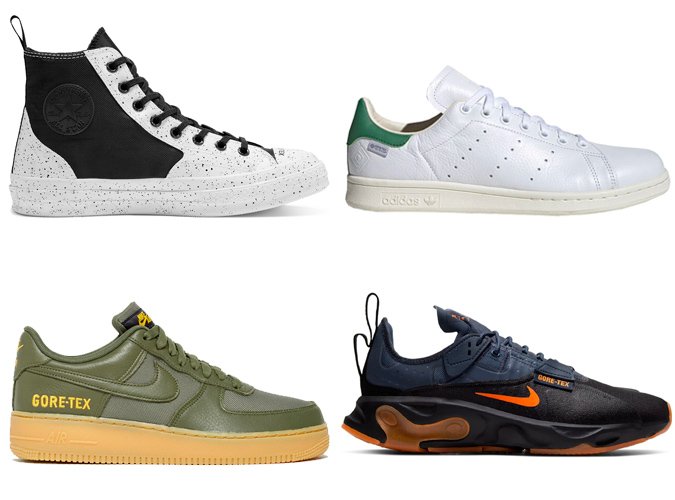
Function going fashion was one of the major menswear moments of 2019. Models were paraded down runways in technical outerwear, pockets were everywhere and Gore-Tex surpassed fleece and corduroy as the hottest fabric around. Dressing for an ice climb in the Karakoram had never looked so good.

But the performance fabrics didn’t end at our ankles. AW19 brought with it an influx of Gore-Tex sneakers, some of which were shockingly wearable. Waterproof versions of classic styles like the Adidas Stan Smith, the Superstar and the Nike Air Force One all flew off shelves, solving that age-old sneakerhead winter dilemma of what to rock when the weather turns sour. Expect to see more of the same as we settle into the new year.

Performance Runners

Hot on the heels of the trail-runners that have been peppering the front row of Fashion Week for several seasons now, performance running shoes are the latest functional footwear to have been picked up by the cooler-than-thou fashion crowd.

Brands like Hoka One One and Nike and Undercover’s Gyakusou imprint have boosted your local running club’s street cred to unprecedented new heights, with colourful, high-performance kicks that bite as hard as they bark.

Mesh And Metallic

A bit like the infinite monkeys/infinite typewriters thought exercise, wait long enough and anything you can possibly think of will become fashionable. Wraparound shades?

Check. Sketchers? Check. Those heavily detailed mesh and metallic silver trainers your high-school PE teacher used to wear? In 2020, that’d be another big fat check.

They’re running shoes done ’00s style and thanks to the likes of New Balance, Saucony and Asics, they’re back in force for the new year. We like to think of it as Dad Shoe 2.0. The natural evolution of one of last year’s biggest footwear trends and something we’re going to be seeing a lot more of over the coming 12 months.

Sneaker for men in trend

Noughties Revival

Speaking of stuff done ’00s style, in 2020 we’re all set for a timely reminder that the 20-year trend-cycle clock is still ticking with pinpoint accuracy. The last decade has been very heavy on the ’90s nostalgia, but as we enter the ’20s, attention is shifting to the millennium.

We thought this day would never come but with the revival of baggy jeans and dangly canvas belts last year, the signs were already right in front of us.

For further proof of what’s coming our way footwear wise, look to the recent resurgence of early ’00s styles like Nike’s Shox and the aforementioned shiny, shiny gym shoes made of mesh. Feeling old yet?

Some funky types of sneakers

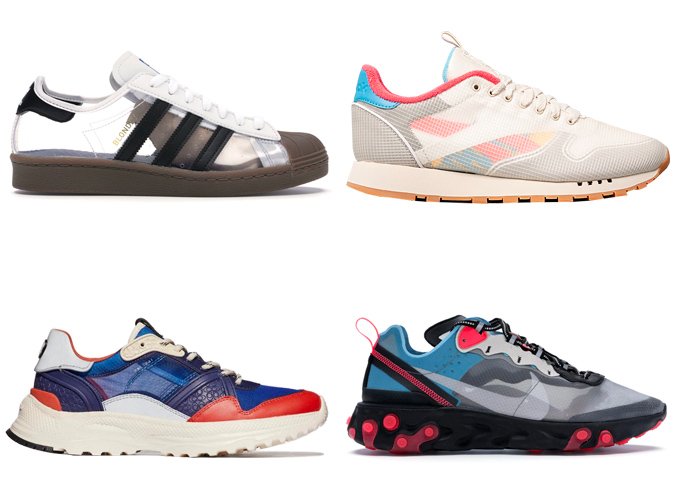
The Sneaker Trend We Can See Right Through

Here at FashionBeans, we spend every single day writing about menswear, but this latest sneaker-related development surprised even us. The first hint of see-through sneakers came courtesy of Virgil Abloh’s take on the Converse All Star and Nike’s React Element 87 back in 2018; two semi-transparent kicks that revealed the wearer’s taste in socks to the world.

You’d have been forgiven at the time for dismissing it as a gimmick, but two years on, here we are, faced with a plethora of fully see-through sneakers and more popping up every month.

Basic knowledge about Fashion

Model in a modern gown reflecting the current fashion trend at a Haute couturefashion show, Paris, 2011

Fashion is a popular aesthetic expression at a certain time and in a certain context, especially in clothingfootwearlifestyleaccessoriesmakeuphairstyle and body proportions.[1] Whereas a trend often connotes a very specific aesthetic expression, and often lasting shorter than a season, fashion is a distinctive and industry-supported expression traditionally tied to the fashion season and collections.[2] Style is an expression that lasts over many seasons and is often connected to cultural movements and social markers, symbols, class and culture (ex. BaroqueRococo, etc.). According to sociologist Pierre Bourdieu, fashion connotes “the latest fashion, the latest difference.”[3]

Even though they are often used together, the term fashion differs from clothes and costume, where the first describes the material and technical garment, whereas the second has been relegated to special senses like fancy-dress or masquerade wear. Fashion instead describes the social and temporal system that “activates” dress as a social signifier in a certain time and context. Philosopher Giorgio Agamben connects fashion to the current intensity of the qualitative moment, to the temporal aspect the Greek called kairos, whereas clothes belong to the quantitative, to what the Greek called chronos.[4]

Exclusive brands aspire for the label haute couture, but the term is technically limited to members of the Chambre Syndicale de la Haute Couture in Paris.[2]

With increasing mass-production of consumer commodities at cheaper prices, and with global reach, sustainability has become an urgent issue amongst politicians, brands and consumers.[5]

Clothing fashions

Fashion industry

Fashion trend

Media

Public relations and social media

Anthropological perspective

Intellectual property

Political activism

African-Americans in Fashion

See also

References

Bibliography

Further reading

External links